

.jpg)
Shannon Ogbnai Abeda. L’atleta eritreo-canadese si racconta tra determinazione, orgoglio e consapevolezza
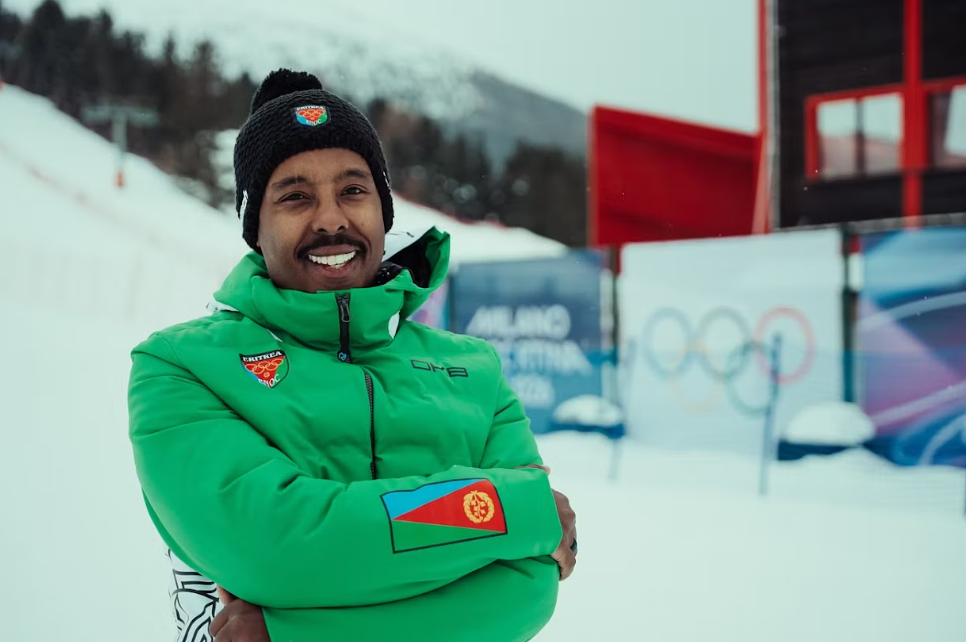
Con la chiusura delle Paralimpiadi, Domenica è definitivamente calato il sipario sull’incredibile avventura dei Giochi Invernali di Milano Cortina 2026. È importante, però, continuare a tenere accesi i riflettori su tutti quegli atleti che in questi due mesi hanno condiviso con il mondo le proprie esperienze, dando il meglio di sé con determinazione e orgoglio; mettendo alla prova un’intera vita fatta di allenamenti durissimi, sacrifici e perseveranza.
Un esempio è quello di Shannon Ogbnai Abeda, sciatore alpino ventinovenne di origine eritrea nato in Canada, alla sua terza Olimpiade.
Io e Shannon ci siamo incontrati una sera di fine febbraio per un aperitivo e abbiamo parlato a lungo di tante cose diverse: vita, sport, viaggi e passioni, ma anche lavoro, famiglia e pressioni di un ragazzo che ha scelto di rappresentare le proprie origini in uno sport - lo sci alpino - che non ha nulla a che vedere con le tradizioni del proprio Paese.
Ecco cosa mi ha raccontato.
As the curtain falls on the amazing journey of both the Winter Olympic and Paralympic Games in Milan, it is important to keep the spotlight on the incredible and inspiring stories of the athletes who have dedicated their entire life in hard training, sacrifices and perseverance in order to take part in the most important competition of their careers.
One of these stories is that of Shannon Ogbnai Abeda, a 29 year old Eritrean-Canadian alpine skier at his third Olympic, who built up his sports career with determination and pride.
Shannon and I met on a late February evening for an aperitivo and we talked about many things from life to sport to travels and passions. Here is everything he told me.
Essere un atleta olimpico è già di per sé un grande traguardo, e tu sei alla tua terza Olimpiade. Cosa significa essere un atleta africano alle Olimpiadi Invernali?
Credo sia davvero importante perché siamo ancora in pochi. Molto dipende dall’accessibilità, ovviamente, il tipo di disciplina e la disponibilità economico-sociale di molti giovani africani rappresentano sicuramente un limite. Poter dimostrare su un palcoscenico internazionale come quello olimpico che nonostante tutto anche noi e il nostro Paese apparteniamo a questo mondo, che possiamo competere e superare le barriere che incontriamo, ha un significato enorme. Oggi vedo sempre più persone appartenenti alla mia comunità rendersi conto che possono fare lo stesso. Possono avvicinarsi anche loro agli sport invernali.
Being an Olympic athlete is already a huge achievement, and you are now at your third Olympics. What does it mean to you to be an African athlete at the Winter Olympics?
I think it’s really important because there are not many of us. A lot of it comes down to accessibility. Being able to show people on the world stage that we belong here, that we are able to compete and break the accessibility barriers we face, is very meaningful. Now I see people in my own community realizing that they can do the same thing. They can get involved in winter sports too.
Sei un atleta ma anche un ingegnere. Quanto è stato difficile conciliare prima la vita da studente e ora la carriera lavorativa con gli allenamenti e gli impegni agonistici?
Devo dire che è stato sicuramente più complicato tornare all’agonismo dopo la pausa degli studi. Nel 2018, dopo PyeongChang, mi ero completamente dedicato all’università e avevo deciso che non sarei più stato un atleta professionista. Continuavo ad allenarmi, ad andare in palestra e a mantenermi in forma, ma mi piaceva molto la mia vita da studente.
La parte più difficile è stata aggiungere un impegno così grande ad una routine già complessa. Non mi andava di riprendere nuovamente con allenamenti intensi, viaggi e tutto ciò che serve per prepararsi alle gare di sci. Ma a un certo punto è cambiato qualcosa: ho capito che essere un atleta era davvero ciò che volevo fare, e quindi ho ripreso il via.
You are an athlete but also a working professional. How hard was it to balance student life before, and now your professional career, with training?
It was a bit difficult when I came back to the sport because in 2018, after PyeongChang, I had fully committed to my studies and I said I would never return to being an Olympic athlete. I was still training, going to the gym and doing the physical work, but I had become very comfortable with my student life.
The difficult part was adding another big commitment to it. I didn’t really want to add the extra training, the travel and everything else I needed to do to prepare for ski racing. But at some point there was a shift where I realized that this was something I really wanted to do, so I had to take the necessary steps to get myself there.
La tua storia rappresenta perseveranza e determinazione. Cosa vorresti trasmettere ai giovani atleti di domani?
Il messaggio che vorrei dare è quello di inseguire i propri sogni e non mollare mai. Tutti incontriamo delle difficoltà ad un certo punto, come infortuni o altri problemi, ma ciò non deve fermarci.
Per esempio,c’è stato un anno in cui non sono riuscito a portare a termine neanche una gara. Ma il fatto di presentarmi ogni giorno in allenamento, lavorare con costanza e migliorare poco alla volta mi ha fatto capire che potevo davvero arrivare dove volevo.
Quindi sì, si tratta prevalentemente di costanza e perseveranza, giorno dopo giorno. I giovani atleti devono sapere che ci saranno momenti di fallimento e momenti di sconforto, ma è fondamentale continuare e non cadere nella tentazione di arrendersi.
Your story represents perseverance and determination. What message would you like to share with the young athletes of tomorrow?
I think the message I would like to share with young athletes is that it’s important to follow whatever dream you have and never quit. Everyone is going to face challenges. They might come from injuries or other setbacks.
For example, I had a year where I didn’t even finish a race. But just showing up every day, consistently doing the work and improving little by little showed me that I could actually get to where I wanted to be. So it’s really about consistency and perseverance day after day. Young athletes should know that there will be moments of failure and moments when they doubt themselves, but they have to keep going and avoid falling into the trap of giving up.
Cosa ti resterà di Milano-Cortina?
Sicuramente le esperienze e le persone che ho incontrato. Ho apprezzato molto l’atmosfera creata dagli atleti provenienti da tutto il mondo e il senso di complicità che si è creato con tutti.
A Pechino c’era il Covid, quindi tutto era più distaccato e distante. A PyeongChang ero molto introverso perché ero giovane ed era la mia prima Olimpiade, la timidezza e il timore hanno avuto la meglio sulla capacità di godersi il momento. Questa volta, invece, ho avuto l’opportunità di entrare davvero in contatto con le persone, di confrontarmi con loro, ed è stato qualcosa che ho apprezzato tantissimo.
What will you take home from Milano-Cortina?
I will definitely take home the experiences and the people I met. I really enjoyed the overall atmosphere created by athletes from different countries and the sense of camaraderie between everyone.
In Beijing there was Covid, so everyone was more separated. In PyeongChang I was very introverted because I was young and it was my first Olympics. This time I had the chance to connect more with different people and really engage with them, and I appreciated that a lot.
È stata una chiacchierata stimolante e profondamente interessante la nostra, che rappresenta forse la parte più bella dell’avere le Olimpiadi nella propria città: incontrare nuove persone, imparare dalle loro storie, comprendere l’impegno e lo sforzo di tutti coloro che hanno contribuito a questa realtà, dagli atleti ai volontari, fino ai tecnici e gli altri lavoratori.
Milano-Cortina è stato un grande palcoscenico internazionale, sia per noi milanesi che per chi è venuto da fuori. L’entusiasmo irradiato dal Villaggio Olimpico pulsava per le strade e i quartieri: persone, eventi, iniziative. È stata un’esperienza bellissima e, nel complesso, anche degnamente gestita.
Dunque, grazie Milano-Cortina 2026 per aver portato il Mondo sotto casa, nel bene e nel male. È stato magico.
It was an inspiring conversation and it represented the very best part of the whole Olympics situation in the city: meeting new people, learning from their experience, understanding the efforts of everybody involved in the event, from the athletes to the volunteers and technicians.
Milano-Cortina has been a great international stage for both us milanesi and the visitors. The excitement irradiated from the Olympic Village was strong and palpable around every single neighborhood of the city. People, events, parties. It’s been a wonderful experience and, overall, also nicely managed.
NEWSLETTER
Weekly drops on openings, fashion, beauty and cultural moments worth
your attention
.jpg)
.jpg)
.jpg)
.jpg)
.jpg)

.jpg)
.jpg)
.jpg)
.jpg)
.jpg)


